
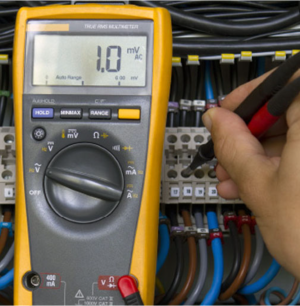
Businesses rely on measuring instruments to control product quality, safety and operational performance. However, an instrument’s accuracy can change because of regular use, environmental conditions, accidental damage or component ageing.
How often should measuring instruments be calibrated? There is no universal interval suitable for every instrument. The appropriate schedule depends on the equipment, required accuracy, application, operating conditions and previous calibration results.
Is Annual Calibration Always Required?
A 12-month calibration interval is commonly used as an initial schedule, but it is not automatically suitable for every instrument.
According to NIST guidance on calibration intervals, NIST does not prescribe one fixed recalibration interval. Factors such as customer requirements, contractual or regulatory requirements, equipment stability and environmental conditions should be considered.
Some instruments may require more frequent calibration, while stable equipment used under controlled conditions may support a longer interval after an appropriate technical review.
Factors That Determine Calibration Frequency
Manufacturer Recommendations
Review the equipment manual or manufacturer’s technical guidance. Manufacturers may recommend an initial calibration interval based on the instrument’s design and expected application.
Frequency of Use
Equipment used every day may experience more wear and measurement drift than equipment used occasionally. Instruments used continuously in production or inspection processes may require closer monitoring.
Required Measurement Accuracy
Critical measurements generally require tighter control. If a small measurement error could affect product quality, safety or compliance, a shorter calibration interval may be appropriate.
Operating Environment
Temperature, humidity, dust, vibration, chemicals and electrical interference can affect instrument performance. Equipment used in harsh industrial environments may require more frequent inspection and calibration.
Previous Calibration Results
Historical results provide valuable information about equipment stability. Instruments that repeatedly remain within tolerance may support a review of their interval. Equipment frequently found outside tolerance may need a shorter interval, maintenance or replacement.
Customer and Contract Requirements
A customer, contract, industry procedure or applicable regulation may specify a required calibration frequency. These requirements should be reviewed before establishing the schedule.
Equipment Risk
Consider what could happen if the instrument produced an incorrect result. Equipment affecting safety-critical decisions, final product acceptance or important process parameters normally requires stronger controls.
When Should Equipment Be Calibrated Immediately?
Do not wait for the scheduled date when an instrument:
- Has been dropped, overloaded or damaged
- Produces unstable or unexpected readings
- Has undergone significant repair or adjustment
- Has been exposed to extreme environmental conditions
- Fails an intermediate verification check
- Shows visible deterioration
- Has an unknown calibration history
- Is required for a new application with tighter accuracy limits
The instrument should be identified and prevented from being used for critical measurements until its condition has been evaluated.
How to Establish a Calibration Schedule
Begin by creating an equipment register containing:
- Equipment name and identification number
- Manufacturer and model
- Measurement range and resolution
- Required accuracy or tolerance
- Location and operating environment
- Current calibration status
- Previous calibration results
- Planned recalibration date
Select an initial interval using manufacturer guidance, usage, risk and applicable requirements. Review the interval as calibration history becomes available.
ILAC publishes guidance concerning the determination and review of recalibration intervals. It emphasizes using factors such as equipment reliability, usage, environment, required accuracy, risk and historical performance rather than applying one arbitrary interval to every instrument.
Why Calibration Records Matter
Calibration records help businesses understand how an instrument performs over time. They can show measurement deviation, adjustments, equipment stability and whether the existing schedule remains appropriate.
Useful records also help organizations:
- Track calibration due dates
- Prevent accidental use of overdue equipment
- Review recurring measurement problems
- Support audits and quality procedures
- Make informed maintenance decisions
- Evaluate whether calibration intervals require adjustment
Common Instruments Requiring Calibration
Calibration programs may include:
- Pressure gauges and transmitters
- Multimeters and electrical testers
- temperature sensors and humidity meters
- Thermometers and temperature sensors
- Humidity meters and data loggers
- Weighing scales and balances
- Calipers and micrometers
- Flow meters and rotameters
- Torque wrenches
- Force gauges and load cells
- Gas detectors
Each instrument should have a schedule appropriate to its function and associated measurement risk.
Arrange Calibration with Caltech
Caltech provides calibration support for different measuring instruments in Sharjah and across the UAE. Customers can provide the equipment list, manufacturer, model, range, required accuracy and service location when requesting a quotation.
Our team can review the available information and help customers plan an appropriate calibration service.
Phone: +971 50 485 0456
Email: info@caltech-eng.com